




Lightweight, portable body
The 22 kg body is designed to be carried by one person, making it easy to relocate for mobile field applications.
QUADRUPED ROBOTS · GALILEO
Compact quadruped platform for narrow-aisle and indoor inspection.
GALILEO C1 is a compact quadruped platform designed for inspection tasks in narrow corridors and indoor facilities. Its lightweight body, IP67 joint protection, and wide operating temperature range enable it to operate in a variety of indoor and limited outdoor conditions.
SELECT BY TASK
GALILEO C1 is a compact quadruped inspection platform developed for narrow corridors and indoor inspections. Its lightweight body can be carried by one person, and its payload capacity during continuous walking allows it to carry sensors and computing modules. IP67 joint protection and an operating range of -20°C to 55°C make the robot suitable for limited outdoor applications beyond indoor facilities. Autonomous charging support and a low-power standby mode allow it to wait at its station between missions. Its secondary development layer enables the addition of sensor and software components for water management, energy, security, or rail system integrations.
PRODUCT-SPECIFIC
Features compiled from source product information; evaluate according to the model and configuration.
The 22 kg body is designed to be carried by one person, making it easy to relocate for mobile field applications.
The payload the robot can carry while walking continuously is suitable for carrying sensor masts and small computing modules.
The joints are protected to IP67 standards, providing resistance to dust and water splashes.
An operating range of -20°C to 55°C enables operation in limited outdoor conditions beyond indoor facilities.
After a mission, the robot can return to its charging station, facilitating uninterrupted inspection cycles.
Standby for more than 365 days reduces energy consumption between missions and ensures long-term readiness.
The secondary development layer enables custom sensor and software integrations for water management, energy, security, and rail systems.
SOURCED PRODUCT DATA
Values are taken from the source product page. Confirm the package, software, and accessory contents against the manufacturer's current documentation before ordering.
| Feature | Value |
|---|---|
| Dimensions (standing) | 765 x 410 x 475 mm (length x width x height) |
| Weight | 22 kg |
| Payload while walking | 12 (during continuous walking) |
| Maximum speed | 0-3 m/s (adjustable) |
| Climbing angle | ≥30° |
| Obstacle and step | ≥20 cm continuous step |
| Battery capacity | 960 Wh |
| Battery | 48 V 20 Ah (960 Wh); supports autonomous charging |
| Battery voltage | 48 V |
| Operating time | 3-5 hours |
| Processor | ARM-based low-power processor (8 cores 8 threads, 8 GB RAM, 64 GB SSD) |
| Software features | Supports secondary development; dual-band Wi-Fi 6; low-power mode with remote wake-up (≥365 days) |
| Protection rating | IP67 (joint) |
| Operating temperature | -20°C to 55°C |
SEE THE PRODUCT IN ACTION
The introduction video linked from the source product page opens when you press the play button.
PRODUCT INFORMATION SOURCES
This catalog is intended to help explore product information. No commitments are made on behalf of Robotik Çözümler regarding stock, authorized dealers, pricing, warranty, or after-sales service terms.
FREQUENTLY ASKED QUESTIONS
It can carry 12 kg during continuous walking; this capacity is suitable for carrying a sensor mast and small computing modules at the same time.
The joints are IP67-protected, and the operating range is -20°C to 55°C; it is suitable for limited outdoor inspection in rain and dust.
Secondary development is supported, and additional sensor and software layers can be integrated into the body; integration is possible through external interfaces.
IN THE SAME CATEGORY
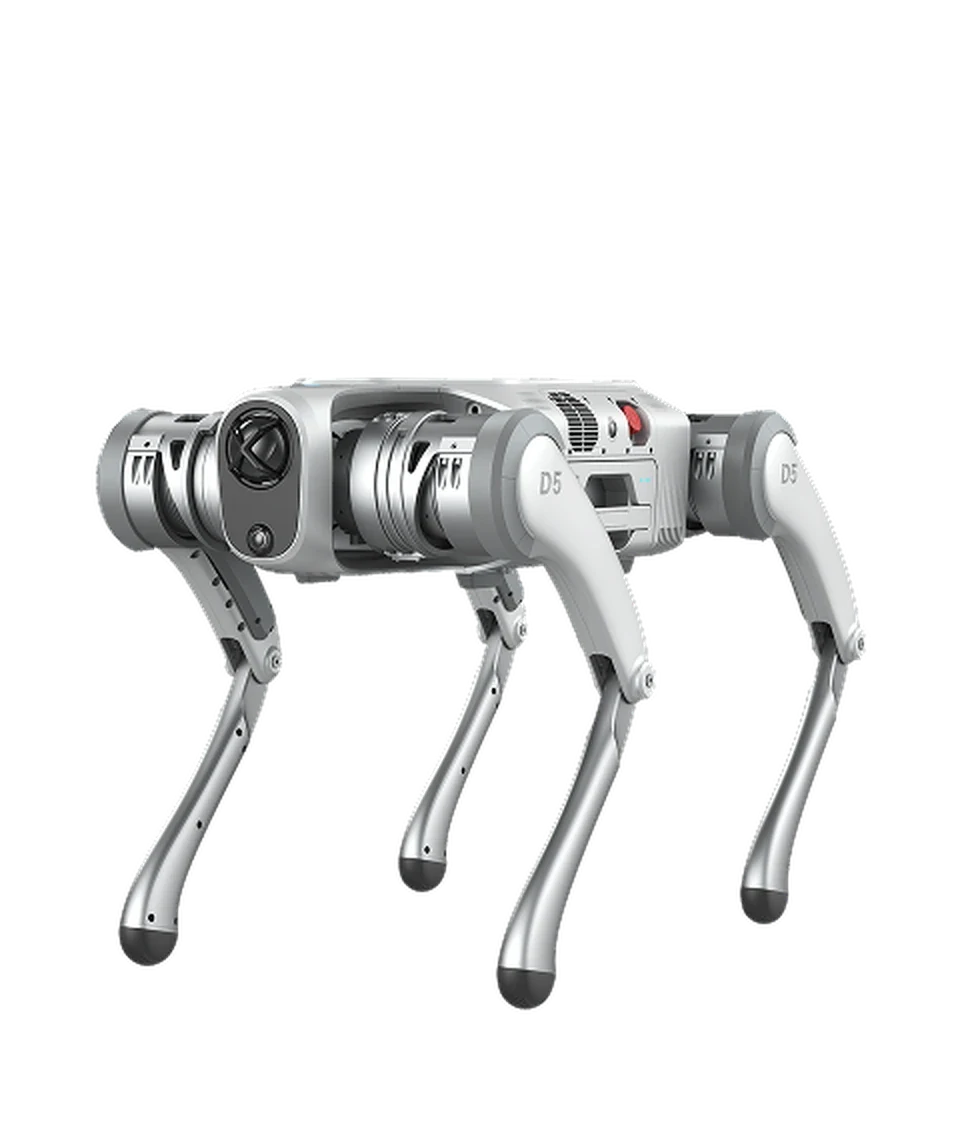 Quadruped robots
PUDU
Industrial autonomous quadruped robot for challenging environments
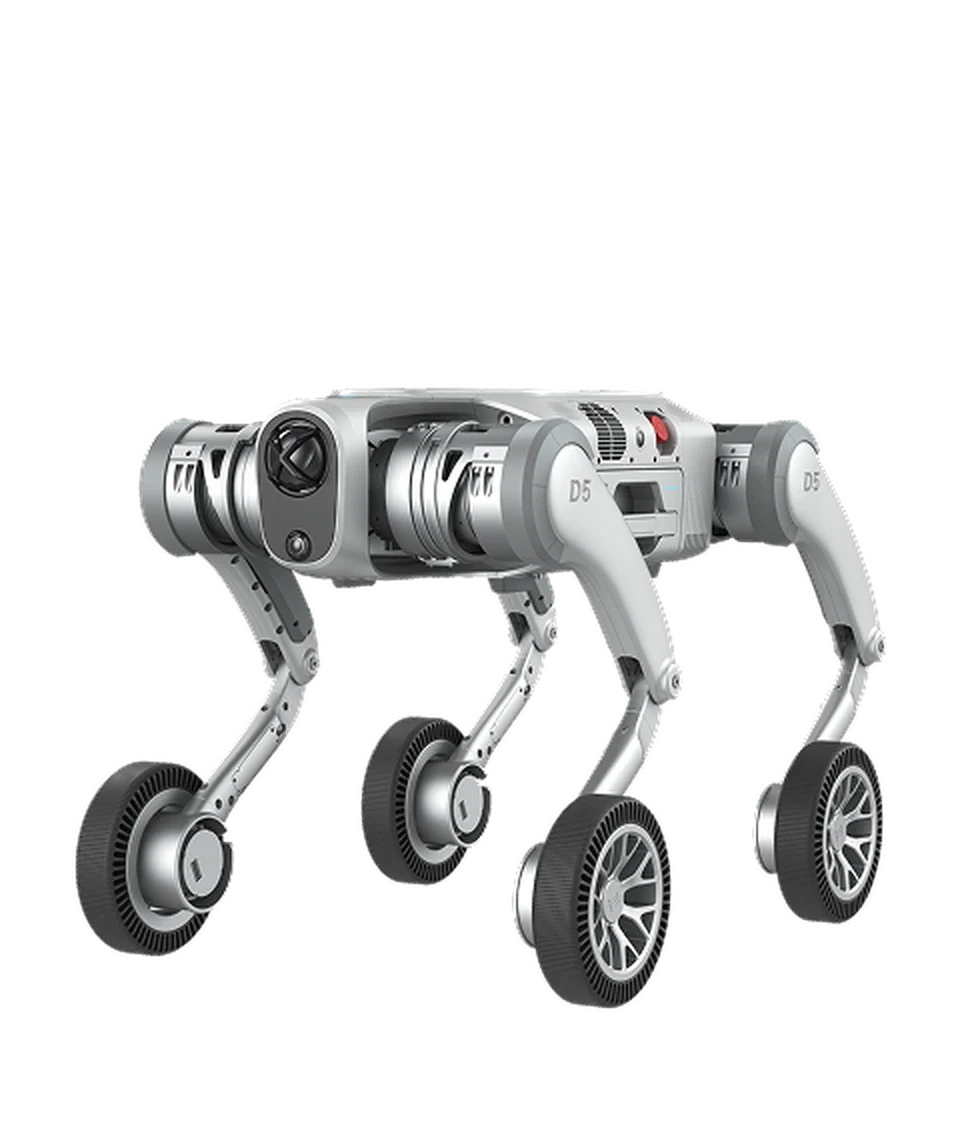 Quadruped robots
PUDU
Industrial-grade autonomous quadruped robot
 Quadruped robots
Unitree
Compact size, industrial capability
NEXT STEP
Start by defining your work area, task, and integration requirements.